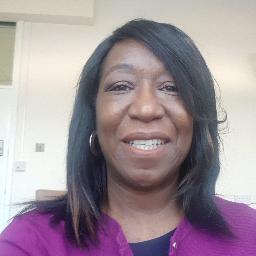
Kristyana Jimdar
BACP
Find UK counsellors and therapists on RenewNormal who specialise in immigration issues. Read about approaches, session expectations and how to choose a.
This page lists counsellors and therapists who specialise in immigration issues across the UK and online. Browse practitioner profiles below to compare approaches, languages and experience related to immigration challenges.
BACP
BACP
NCPS
BACP
BACP
BACP
BACP
BACP, NCPS
BACP
NCPS
BACP
BACP
BACP
BACP
BACP
BACP
BACP
BACP
BACP
BACP
BACP
BACP
BACP
NCPS
BACP
NCPS
BACP
BACP
BACP
BACP
BACP
BACP
BACP
BACP
BACP
BACP
BACP
BACP
NCPS
Immigration-related difficulties cover a wide range of experiences, from the stress of applying for visas and asylum to the emotional impact of family separation, cultural adjustment and experiences of discrimination. You may be dealing with sudden changes in legal status, the uncertainty of appeal processes, the trauma of detention, or the slow erosion of routine and support networks after relocation. These pressures often overlap - practical worries about housing, work, finances and legal representation sit alongside very human responses such as grief, anxiety, low mood and a sense of identity loss. If you are from a different cultural background, you might also be navigating shifts in language, social norms and relationships with relatives who remain abroad.
Your reaction to immigration stress can depend on many factors - past experiences, the reasons for migration, the support you can access and any previous mental health concerns. Some people find that the ongoing unpredictability of immigration processes makes it hard to plan, concentrate or make decisions. Others feel ashamed or isolated, especially when social networks are limited. It is common for people to experience intrusive memories of traumatic journeys, hypervigilance if they have faced persecution, or a pervasive sense of being misunderstood by services that are not set up for culturally diverse needs. Understanding these experiences as natural responses to difficult circumstances can be the first step towards finding helpful support.
You might consider therapy if stress related to immigration begins to affect your daily functioning. This can show up as persistent low mood, difficulty sleeping, changes to appetite, frequent panic attacks or a constant sense of worry. You may notice that relationships with partners, children or friends are under strain because you are more withdrawn, irritable or preoccupied. Another sign is that practical worries start to feel overwhelming and you struggle to take steps that would normally help, such as attending appointments or seeking information.
People often seek help when past trauma resurfaces in response to migration events - for example when a new stressor triggers memories of persecution or violence. If you find yourself avoiding reminders of your past, feeling numb, or experiencing intense emotional reactions that you cannot predict, therapy can offer ways to process these responses. Similarly, if cultural changes leave you feeling disconnected from your identity or traditions, speaking to a counsellor who understands cross-cultural issues may help you explore ways to rebuild a sense of belonging. Seeking support is not an admission of weakness; it is a practical step you can take to manage the emotional load while navigating important legal and life decisions.
In therapy for immigration matters, the early sessions often concentrate on understanding your current situation, the specific immigration-related stressors and how these interact with your emotional and physical wellbeing. You and your counsellor will typically discuss what you hope to achieve - this might be reducing acute anxiety, managing grief and loss, improving sleep, or developing strategies to cope with ongoing uncertainty. Sessions may also include time-limited work to manage immediate crises and longer-term work to process past trauma or rebuild a sense of identity after migration.
Your therapist will usually take a holistic view, exploring practical needs alongside emotional ones. That can mean discussing how to manage paperwork-related anxiety, preparing for difficult meetings, or developing communication strategies with family members affected by migration. Many practitioners also offer culturally sensitive approaches, recognising that concepts of mental health and healing vary across communities. If language is a consideration, you may find counsellors who speak your language or who work with interpreters. It is reasonable to expect a collaborative approach where you set the pace; therapy can be directive when helping you build skills, or reflective when exploring complex feelings about home, loss and belonging.
Therapy is primarily focused on emotional and psychological support. While therapists can signpost you to legal advice, community organisations and practical resources, they do not replace legal professionals. You can expect your counsellor to work within professional boundaries and to offer clear information about fees, session length and the nature of the therapeutic relationship. In the UK many practitioners are registered with bodies such as the BACP, HCPC or NCPS, and you can look for registration details on profiles to understand a practitioner's professional framework.
There is no single approach that fits everyone, and many counsellors combine elements from different methods to suit your needs. You may see therapists who list cognitive behavioural approaches among their methods, which focus on identifying unhelpful thought patterns and developing practical skills to reduce anxiety and depression. Others may use psychodynamic or relational approaches that explore how past relationships and experiences influence present feelings, which can be particularly helpful when identity and attachment themes are prominent after migration.
Some practitioners note trauma-informed ways of working or therapies that are often used with trauma survivors. You will sometimes find therapists who list EMDR among their approaches or who describe working with trauma narratives in ways that aim to reduce distress. Group therapy and community-based approaches can also play a role in rebuilding social networks and reducing isolation by connecting you with others who share similar experiences. When considering approaches, think about whether you want skill-based work to manage symptoms, deeper reflective work to process identity and loss, or a combination. It is common for the therapeutic plan to evolve as you and your counsellor learn what helps most.
Online therapy offers flexible ways to access support if you live far from specialist services or cannot travel due to work, childcare or legal restrictions. You can typically choose from video calls, telephone sessions or text-based messaging, depending on what a practitioner offers. Video sessions can closely replicate face-to-face contact and allow you to see the counsellor's non-verbal cues, while phone sessions can feel less formal and are sometimes easier to fit into a busy day. Messaging or email approaches may suit people who prefer written communication or need ongoing low-intensity support between sessions.
When you use online therapy, consider the environment where you will take part - finding a quiet, uninterrupted room can help you feel more comfortable. If information-sharing boundaries of the setting is a concern, you might think about timing sessions when others are out or using headphones. Some online practitioners work across the UK and bring specific experience with immigration and cultural diversity. Online therapy also makes it easier to find counsellors who speak your language or who have lived experience of migration themselves. Keep in mind that online work may not be suitable for every situation, especially where there is significant immediate risk, and a practitioner should discuss safety planning and local emergency resources with you if needed.
Start by identifying what matters most to you - that might be a therapist who understands asylum processes, someone who shares your language or cultural background, or a counsellor who focuses on trauma or family separation. Read practitioner profiles to learn about their stated approaches, years of experience and any populations they highlight. Profiles often indicate registration with professional bodies such as the BACP, HCPC or NCPS, which can help you understand the regulatory framework they work within.
Consider practical factors beyond expertise, such as whether you prefer online sessions, what hours suit you and whether fees fit your budget. It is also useful to reflect on how you want to work - do you want practical coping strategies, deeper exploration of identity and loss, or a mix? When contacting a therapist, you can ask about their experience with immigration-related issues and the types of approaches they commonly use. Some people find it helpful to have an initial conversation to sense whether the style and language feel right. Trust your judgement about whether a practitioner seems respectful of your cultural context and responsive to your concerns; the therapeutic relationship is one of the strongest predictors of helpful outcomes.
Finding the right support can take time, and you do not need to commit to a long programme straight away. You can look for counsellors who offer an initial assessment or shorter blocks of work to see how things feel. Alongside therapy, practical supports such as community groups, legal advice services and local charities can be important complements to emotional work. Taken together, these resources can help you manage immediate pressures while building resilience, clarity and a sense of direction during what can be a very challenging life phase.
No. You can contact a therapist through their profile directly. A GP referral is not required for private online therapy.
Everyone listed on this page has immigration issues among the areas they told the platform they work with. They are not ranked, rated or endorsed by this directory, and the order is not a recommendation.
Changing therapist is normal and expected, and can be done at any point. One session is a small sample of how someone works.
This page is a directory, not a crisis service. If you are in crisis or thinking about harming yourself, call 116 123 to reach Samaritans. It is free, and open at any hour.