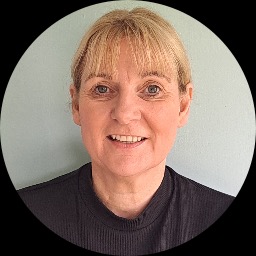
Pauline Banks
Practical therapy for relationship and trauma recovery
About Pauline
Pauline Banks uses an approach rooted in attachment work and practical therapies to help people feel steadier in their day-to-day lives. She holds NCPS and has ten years of clinical experience in the United Kingdom. Pauline writes plainly and encourages clients to take the first step when they are ready.
She focuses on relationship difficulties, family and parenting concerns, and trauma and abuse. She also helps with stress, anxiety, depression, bipolar mood difficulties, addictions and grief.
Background and approach
Other areas she supports include intimacy issues, eating concerns, anger, self-esteem and career-related worries. Pauline draws on client-centred methods to listen without judgement and to build on each person’s strengths. She uses cognitive behavioural tools to identify unhelpful thinking and to practise new ways of coping.
For clients who have experienced trauma, she may include EMDR techniques to process painful memories. Her work also incorporates skills from dialectical behaviour therapy for managing intense emotions and improving communication. Attachment-based ideas guide sessions when patterns from early relationships affect current life and choices.
Sessions aim to be practical, paced to the individual and focused on real-life steps. People who meet Pauline can expect clear conversations about goals and small, manageable tasks between sessions. She encourages curiosity about patterns rather than self-blame.
Her style is warm, straightforward and goal-oriented.
What Pauline works with
How Pauline works
Listed by Pauline among the ways they work.
Listed by Pauline among the ways they work.
Listed by Pauline among the ways they work.
Listed by Pauline among the ways they work.
Listed by Pauline among the ways they work.
Listed by Pauline among the ways they work.
Sessions & fees
Therapeutic approaches and online care
Pauline commonly combines attachment-based ideas with cognitive behavioural techniques to help people understand how early relationship patterns affect current connections and to practise different ways of thinking and behaving. Attachment-based work looks at patterns formed in past relationships and how those patterns turn up now, while CBT focuses on identifying unhelpful thoughts and testing new responses to reduce distress.She also uses client-centred principles, which means sessions start from the person's own priorities and strengths. Choosing the right approach is a team effort; Pauline will work with each person to agree goals and decide which methods suit their situation and preferences.
Online sessions are offered by video call, phone, live chat or text-based messaging to make therapy flexible. Video is useful for face-to-face conversation, phone can be easier when bandwidth is limited, live chat works for shorter check-ins and text messaging suits ongoing support and notes between sessions. These options help people fit therapy around work, caregiving and daily life while working with registered or accredited professionals.
| Session length | Typically 50 minutes |
|---|---|
| Client ages | Adults, 18 and over |
| Fees | Subscription via BetterHelp, cancel anytime |
| Insurance | Not billed directly |
Questions people ask
What kinds of problems does she help with?
What is her therapeutic style like?
How much experience does she have?
What credentials and region are listed?
Which languages are supported and can international clients join?
What session formats are available?
How much do sessions cost?
How do I begin working with her?
Areas of focus
What this therapist works with
Most often
- Relationship issues
- Family conflicts
- Trauma and abuse
Also listed
- Abandonment
- Addictions
- ADHD
- Adoption and foster care
- Aging and geriatric issues
- Anger management
- Attachment issues
- Autism and Asperger Syndrome
- Avoidant personality
- Bipolar disorder
- Blended family issues
- Cancer
- Career difficulties
- Chronic pain, illness, and disability
- Co-morbidity
- Coaching
- Codependency
- Commitment issues
- Communication problems
- Compassion fatigue
- Coping with life changes
- Dependent personality
- Depression
- Disruptive Mood Dysregulation Disorder (DMDD)
- Dissociation
- Divorce and separation
- Domestic violence
- Eating and food-related issues
- Eating disorders
- Emptiness
- Family of origin issues
- Family problems
- Fatherhood issues
- Fertility issues
- Grief
- Guilt and shame
- Hospice and end-of-life counselling
- Impulsivity
- Intellectual disability
- Intimacy-related issues
- Isolation / loneliness
- Jealousy
- Life purpose
- Midlife crisis
- Money and financial issues
- Mood disorders
- Parenting issues
- Personality disorders
- Post-traumatic stress
- Postpartum depression
- Pregnancy and childbirth
- Prejudice and discrimination
- Process addiction (porn, exercise, gambling)
- Seasonal Affective Disorder (SAD)
- Self esteem
- Self-harm
- Self-love
- Sexual assault and abuse
- Sexuality
- Social anxiety and phobia
- Stress, Anxiety
- Visually impaired
- Women's issues
- Workplace issues
- Young adult issues
Therapeutic approaches
- Experience
- 10 years
- Registered with
- NCPS
- Languages
- English