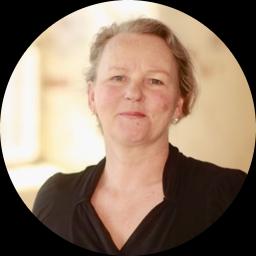
Elizabeth Burgess
Compassionate counsellor for trauma and grief
About Elizabeth
Elizabeth Burgess is a counsellor with thirteen years of professional experience in the United Kingdom. She holds BACP recognition, which is the British Association for Counselling and Psychotherapy, and brings a steady, compassionate presence to sessions. She specialises in helping people affected by trauma and abuse, anxiety, stress, depression, low self-esteem and grief.
She also has a focus on hospice and end-of-life counselling, supporting people facing major life transitions and loss.
Background and approach
In sessions she aims to build an open, non-judgemental space where people can speak freely about difficult thoughts and feelings. Conversations are paced according to what the person can manage, and practical coping strategies are offered alongside emotional support. Her practice uses attachment-based ideas to understand how early relationships shape current responses to stress and relationships.
That perspective helps identify patterns and offers ways to try different approaches in daily life. Elizabeth works collaboratively with each person to set goals and adapt the way she works to fit their needs. She explains things plainly and checks in regularly to make sure the approach feels helpful and manageable.
For people facing grief or end-of-life concerns she provides steady support and clear options for coping. For those managing anxiety or stress she focuses on small, practical steps to lessen overwhelm and build resilience.
What Elizabeth works with
How Elizabeth works
Listed by Elizabeth among the ways they work.
Sessions & fees
Attachment work and online support
Attachment-Based Therapy looks at how early relationships shape current ways of relating and managing stress. It helps people spot patterns in their reactions and try different, healthier ways of connecting and coping, which can be useful for anxiety, low self-esteem and relationship-related worry.For hospice and end-of-life concerns the same attachment lens can help people make sense of fear, loss and responsibility, and find ways to share difficult feelings with others. That focus can also support practical planning and emotional processing during major life changes.
Finding the right approach is part of the work. The therapist will discuss goals, personal preferences and what feels manageable, then adapt techniques to suit the person. This is a collaborative process and changes can be made as needs evolve.
Online sessions are available by video call, phone, live chat or text-based messaging. Video calls are useful for face-to-face conversation and reading non-verbal cues. Phone sessions can be an easier option if bandwidth is limited or a shorter check-in is needed. Chat and messaging let people send messages between sessions and suit those who prefer written support or a flexible schedule.
| Session length | Typically 50 minutes |
|---|---|
| Client ages | Adults, 18 and over |
| Fees | Subscription via BetterHelp, cancel anytime |
| Insurance | Not billed directly |
Questions people ask
What issues does she commonly help with?
How would you describe her therapeutic style?
What is her professional background?
What credentials and region are listed?
Which languages are offered for sessions?
What session formats are available online?
How does payment and cost work?
How do I begin working with her?
Areas of focus
What this therapist works with
Most often
Also listed
Therapeutic approaches
- Experience
- 13 years
- Registered with
- BACP
- Languages
- English