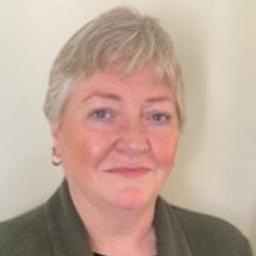
Rosemarie Savage
Practical, person-centred support for life’s challenges
About Rosemarie
Rosemarie Savage helps people manage stress, anxiety, trauma and abuse, grief, low self-esteem and life changes. She also supports people facing addiction, intimacy and relationship worries, eating and sleeping difficulties, and career or parenting strain. Rosemarie works in straightforward language and treats each person as the expert in their own life.
Rosemarie uses a client-centred approach. That means she listens and follows the pace set by the person in front of her.
Background and approach
She brings mindfulness techniques to calm overwhelming thoughts and help people notice what is happening in the body and mind. She also draws on somatic and trauma-focused work when past events affect day-to-day life. Sessions are conversational and practical.
Rosemarie aims to help people build small, manageable tools to cope between meetings. She offers guidance on breathing, grounding and gentle body awareness to reduce tension and improve sleep and mood. Her practice pays attention to how identity, stress and relationships interact.
Rosemarie can help with issues such as ADHD, compassion fatigue, gender dysphoria, abandonment, attachment concerns, and the strain of caregiving or chronic illness. She also supports people navigating divorce, domestic violence, or substance difficulties. She is registered with the British Association for Counselling and Psychotherapy, often shown as BACP, and has five years of professional experience in the United Kingdom.
Rosemarie works with people in English and accepts international clients for online sessions.
What Rosemarie works with
How Rosemarie works
Listed by Rosemarie among the ways they work.
Listed by Rosemarie among the ways they work.
Listed by Rosemarie among the ways they work.
Listed by Rosemarie among the ways they work.
Sessions & fees
How Rosemarie’s approaches work online
Rosemarie uses a client-centred way of working that keeps the person’s priorities at the heart of each session. This approach means the therapist listens closely and tailors conversations to what the person brings, helping them make decisions and set practical goals.She also brings mindfulness therapy into sessions to help reduce anxiety and improve focus. Mindfulness work involves simple breathing and attention exercises that can lower stress and help with sleep, rumination and emotional regulation.
Somatic therapy is used when feelings live in the body. This involves gentle attention to bodily sensations, grounding techniques and breathing to ease tension and support recovery after trauma.
Choosing the right approach is part of the process. Rosemarie will work collaboratively to decide which methods fit a person’s needs, goals and preferences, and she may blend approaches over time as those needs change.
Online formats offer practical benefits. Video calls allow face-to-face conversation and visual cues, phone sessions need less bandwidth and can be a quicker check-in, while live chat or text-based messaging suit shorter updates or people who prefer to write. These options make it easier to fit therapy around work, caregiving or travel and provide flexible ways to keep continuity of care with registered or accredited professionals.
| Session length | Typically 50 minutes |
|---|---|
| Client ages | Adults, 18 and over |
| Fees | Subscription via BetterHelp, cancel anytime |
| Insurance | Not billed directly |
Questions people ask
What concerns does Rosemarie focus on?
What is her therapeutic style?
How much experience does she have?
What credentials and location are listed?
Which languages and international options are available?
What session formats are offered?
How are costs handled?
How do I begin therapy with her?
Areas of focus
What this therapist works with
Most often
Also listed
- Abandonment
- Addictions
- ADHD
- Aging and geriatric issues
- Anger management
- Attachment issues
- Autism and Asperger Syndrome
- Bipolar disorder
- Cancer
- Career difficulties
- Caregiver issues and stress
- Chronic pain, illness, and disability
- Coaching
- Communication problems
- Compassion fatigue
- Control issues
- Coping with life changes
- Depression
- Divorce and separation
- Domestic violence
- Drug and alcohol addiction
- Eating disorders
- Family conflicts
- Family problems
- Gender dysphoria
- Guilt and shame
- Hospice and end-of-life counselling
- Intimacy-related issues
- Isolation / loneliness
- LGBT
- Life purpose
- Midlife crisis
- Obsessions, compulsions, and OCD
- Panic disorder and panic attacks
- Parenting issues
- Post-traumatic stress
- Process addiction (porn, exercise, gambling)
- Relationship issues
- Self esteem
- Sexual assault and abuse
- Sleeping disorders
- Smoking / vaping cessation
- Social anxiety and phobia
- Women's issues
- Workplace issues
Therapeutic approaches
- Experience
- 5 years
- Registered with
- BACP
- Languages
- English
