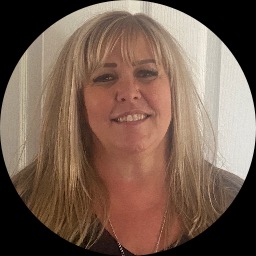
Julie Durmush
Person-centred therapist blending practical tools
About Julie
Julie Durmush works in a person-centred way and blends other approaches to suit each person. She is registered with NCPS, the National Counselling Society, and aims to help people feel heard and understood. Julie offers short and ongoing support for a range of concerns and makes space for people to talk about what matters most to them.
Julie keeps sessions straightforward and calm. She listens without judgement and helps people notice patterns that cause distress.
Background and approach
She uses practical tools from cognitive behavioural therapy and trauma-focused work when these suit the situation. Mindfulness techniques and emotionally-focused ideas are brought in to help with emotion regulation and connection to personal values. Her work covers stress, anxiety and mood difficulties including depression and ADHD-related problems.
She also supports people coping with trauma and abuse, grief, relationship strain and issues around identity such as gender dysphoria and LGBT concerns. Additional areas she addresses include self-esteem, codependency, body image and feelings of isolation. Julie has six years of clinical experience and brings that to brief focused sessions as well as longer therapy.
She sometimes uses single-session formats such as a wheel-of-life review to help people map priorities and set clear next steps. Techniques from trauma-focused practice are used carefully when trauma is present. Sessions are offered in English and are available through online formats including video calls, phone, live chat and text messaging.
Julie encourages a joint approach where the person sets goals and she offers practical steps to move toward them.
What Julie works with
How Julie works
Listed by Julie among the ways they work.
Listed by Julie among the ways they work.
Listed by Julie among the ways they work.
Listed by Julie among the ways they work.
Listed by Julie among the ways they work.
Sessions & fees
How Julie’s approaches work in online therapy
Julie uses a person-centred foundation combined with cognitive behavioural therapy and trauma-focused techniques. Client-Centred Therapy means the therapist follows the person's lead, offering empathy and acceptance so people can explore what matters to them. Cognitive Behavioural Therapy (CBT) focuses on spotting unhelpful thoughts and testing them with simple, practical experiments to change mood and behaviour. Trauma-Focused Therapy offers structured ways to address painful memories and the ways they affect daily reactions and relationships, with careful pacing to avoid overwhelm.Deciding which approach to use is collaborative. Julie will talk with each person about their goals, history and preferences and then suggest methods that fit. That plan can change as work progresses, with regular check-ins to make sure the approach still feels helpful.
Online sessions are offered by video call, phone, live chat or text-based messaging to make therapy more flexible. Video calls let people see non-verbal cues and work closely in real time. Phone sessions need less bandwidth and can be easier when a screen is tiring. Live chat or text messaging supports shorter check-ins and ongoing reflection between sessions. These options help people fit therapy around work, family or mobility needs while keeping the focus on practical change and emotional support.
| Session length | Typically 50 minutes |
|---|---|
| Client ages | Adults, 18 and over |
| Fees | Subscription via BetterHelp, cancel anytime |
| Insurance | Not billed directly |
Questions people ask
What kinds of problems does Julie specialise in?
How would you describe her therapeutic style?
What experience does she bring?
Where is Julie based and what credential does she hold?
Which languages are sessions offered in?
What session formats are available online?
How are sessions priced?
What do I need to do to begin therapy?
Areas of focus
What this therapist works with
Most often
- Stress, Anxiety
- Relationship issues
- Trauma and abuse
Also listed
- Abandonment
- ADHD
- Attachment issues
- Avoidant personality
- Body image
- Codependency
- Commitment issues
- Communication problems
- Control issues
- Coping with life changes
- Depression
- Dissociation
- Forgiveness
- Gender dysphoria
- Grief
- Guilt and shame
- Isolation / loneliness
- LGBT
- Life purpose
- Mood disorders
- Narcissism
- Obsessions, compulsions, and OCD
- Panic disorder and panic attacks
- Post-traumatic stress
- Self esteem
- Self-love
- Sexual assault and abuse
- Sexuality
- Social anxiety and phobia
- Women's issues
- Young adult issues
Therapeutic approaches
- Experience
- 6 years
- Registered with
- NCPS
- Languages
- English
