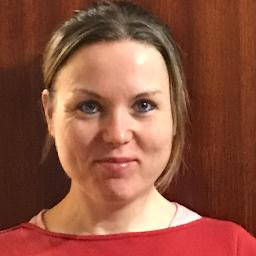
Eva Vass
A calm, person-centred counsellor for lasting change
About Eva
Eva Vass uses a person-centred, compassionate approach to help people feel heard and understood. She aims to offer steady, respectful presence so clients can notice their feelings, thoughts and patterns without pressure. Her work is warm and non-directive, and she encourages clients to lead the pace of sessions.
She draws on attachment-based ideas to look at how early relationships shape current reactions. This can help when someone struggles with intimacy, abandonment worries, or feeling misunderstood.
Background and approach
Emotionally-Focused Therapy techniques are used to identify and name difficult emotions and to build new ways of responding to them. Mindfulness practices are introduced where helpful to calm the body and notice thought patterns. Existential themes are explored for people wrestling with meaning, life changes or career crossroads.
Sessions may touch on how past events still influence day-to-day life, using psychodynamic ideas when appropriate. Eva holds a level 4 diploma in therapeutic counselling and is an individual member of the British Association for Counselling and Psychotherapy, BACP. She has completed courses in online and telephone counselling, LGBTQ terminology and supporting young people with eating concerns.
She has three years of professional experience working with young people and adults. Presenting issues she has worked with include anxiety, depression, self-harm, low self-esteem, neurodiversity, suicidal thoughts, transgender matters, childhood trauma, codependency, eating difficulties and relationship concerns. Clients can expect straightforward, calm sessions focused on building self-awareness, acceptance and practical ways to cope.
The therapist aims to walk alongside each person as they explore change at their own pace.
What Eva works with
How Eva works
Listed by Eva among the ways they work.
Listed by Eva among the ways they work.
Listed by Eva among the ways they work.
Listed by Eva among the ways they work.
Listed by Eva among the ways they work.
Listed by Eva among the ways they work.
Sessions & fees
How these therapeutic approaches work online
Attachment-Based Therapy focuses on how early relationships shape current responses. Online sessions can look at attachment patterns and how they affect connection, trust and closeness in relationships. This approach can be helpful for people worried about abandonment, intimacy or recurring relationship problems.Client-Centred Therapy puts the client at the centre of each session. The counsellor listens without judgement and follows the person’s lead, helping them to make sense of their feelings. This style suits people who want a calm space to be heard and to build self-acceptance at their own pace.
Emotionally-Focused Therapy helps name and work with strong emotions. It supports people to recognise patterns in how they respond and practice new ways of relating to difficult feelings. This can be useful for grief, trauma-related emotions, and intimacy difficulties.
Choosing the right approach is part of the work. The therapist will discuss options with the client and decide together which methods best fit the client's needs, goals and preferences. This collaborative process means plans can change as progress unfolds.
Online therapy offers practical flexibility. Video calls give a near face-to-face experience, while phone sessions can be easier when bandwidth is limited. Live chat and text messaging suit short check-ins or when typing helps someone express themselves. These options make it simpler to fit counselling around work, caregiving or travel.
| Session length | Typically 50 minutes |
|---|---|
| Client ages | Adults, 18 and over |
| Fees | Subscription via BetterHelp, cancel anytime |
| Insurance | Not billed directly |
Questions people ask
What kinds of concerns does she help with?
What is her therapeutic style like?
How much experience does she have?
What are her credentials and where is she based?
Which languages and international options are supported?
In what formats are sessions available?
How is cost handled for sessions?
How do I begin therapy with her?
Areas of focus
What this therapist works with
Most often
- Stress, Anxiety
- Relationship issues
- Trauma and abuse
Also listed
- Abandonment
- ADHD
- Aging and geriatric issues
- Anger management
- Antisocial personality
- Attachment issues
- Autism and Asperger Syndrome
- Avoidant personality
- Blended family issues
- Body image
- Career difficulties
- Caregiver issues and stress
- Codependency
- Commitment issues
- Communication problems
- Control issues
- Coping with life changes
- Dependent personality
- Depression
- Disruptive Mood Dysregulation Disorder (DMDD)
- Divorce and separation
- Eating and food-related issues
- Eating disorders
- Emptiness
- Family conflicts
- Family problems
- Fatherhood issues
- Fertility issues
- Forgiveness
- Gender dysphoria
- Grief
- Guilt and shame
- Impulsivity
- Infidelity
- Intimacy-related issues
- Isolation / loneliness
- Jealousy
- LGBT
- Life purpose
- Men's issues
- Midlife crisis
- Money and financial issues
- Mood disorders
- Narcissism
- Panic disorder and panic attacks
- Parenting issues
- Polyamory / non-monogamous relationships
- Post-traumatic stress
- Pregnancy and childbirth
- Prejudice and discrimination
- Seasonal Affective Disorder (SAD)
- Self esteem
- Self-harm
- Self-love
- Sexuality
- Social anxiety and phobia
- Somatization
- Women's issues
- Workplace issues
- Young adult issues
Therapeutic approaches
- Experience
- 3 years
- Registered with
- BACP
- Languages
- English
