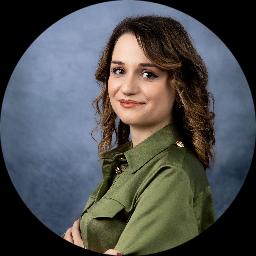
Dominika Krawiec
Calm, practical support for life’s hardest moments
About Dominika
Dominika Krawiec helps people facing stress, anxiety, depression, grief and loss, and the ups and downs of bipolar disorder. She supports those struggling with low self-esteem, anger, panic, ADHD and workplace strain. She also offers help with relationship difficulties, trauma and compassion fatigue.
Sessions can address end-of-life concerns and issues tied to gender or multicultural experience. She works in a warm, respectful way. Dominika adapts sessions to each person’s needs and pace.
Background and approach
Conversations focus on practical steps and clearer thinking, as well as understanding feelings that come from past experiences. Dominika draws on client-centred therapy to follow what each person finds important. She uses psychodynamic ideas to look at patterns that repeat over time.
Solution-focused techniques help people spot what already works and build on it. She has five years of professional experience and holds BACP and NCPS credentials. These reflect the registrations listed in her background.
Sessions are available in English and Polish and can be arranged for people outside the United Kingdom. People meet by video, phone, live chat or text messaging depending on preference.
What Dominika works with
How Dominika works
Listed by Dominika among the ways they work.
Listed by Dominika among the ways they work.
Listed by Dominika among the ways they work.
Sessions & fees
Approaches that guide online sessions
Client-centred therapy means the therapist follows what matters most to the person in front of them. The focus is on listening carefully and helping people find their own solutions, which can be useful for low self-esteem, grief and anxiety.Psychodynamic therapy looks at patterns that repeat across relationships and time. Talking about life history and recurring reactions can help make sense of why certain problems keep returning, which can be helpful for trauma, relationship strain and long-standing mood issues.
Finding the right approach is part of the work. The therapist will discuss goals and preferences and together decide whether client-centred, psychodynamic or solution-focused ideas fit best. This process is collaborative and can change as progress is made.
Online sessions offer flexibility across video calls, phone sessions, live chat and text messaging. Video is good for a full conversational session, phone can be used when bandwidth is limited, live chat suits quick check-ins and text messaging works for shorter, ongoing support. These options make it easier to fit therapy around work, family and different time zones, and they help people keep continuity when life gets busy.
| Session length | Typically 50 minutes |
|---|---|
| Client ages | Adults, 18 and over |
| Fees | Subscription via BetterHelp, cancel anytime |
| Insurance | Not billed directly |
Questions people ask
What concerns can be addressed here?
How would you describe the therapy style?
What is her professional background?
Which credentials and location apply?
In which languages are sessions offered?
What session formats are available?
How are costs handled?
How do I begin working with her?
Areas of focus
What this therapist works with
Most often
Also listed
- ADHD
- Anger management
- Bipolar disorder
- Compassion fatigue
- Coping with life changes
- Depression
- Hospice and end-of-life counselling
- Men's issues
- Multicultural concerns
- Panic disorder and panic attacks
- Relationship issues
- Self-harm
- Social anxiety and phobia
- Trauma and abuse
- Women's issues
- Workplace issues
- Young adult issues
Therapeutic approaches
- Experience
- 5 years
- Registered with
- BACP, NCPS
- Languages
- English, Polish
