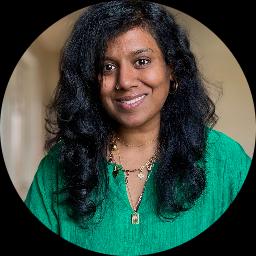
Dilshini Sandhu
Compassionate counsellor helping you find clarity
About Dilshini
Dilshini Sandhu offers a warm, person-focused approach to therapy rooted in client-centred principles. She frames sessions around each person’s experience and priorities. Her style is collaborative and calm, aimed at helping people feel heard and clearer about next steps.
Dilshini has six years of practice experience and works from the viewpoint that self-understanding grows through respectful dialogue. She uses Emotionally-Focused Therapy techniques to help people recognise and process strong feelings and patterns that affect relationships and wellbeing.
Background and approach
Practical conversation and reflective listening are typical parts of her sessions. <brHer background includes study in Music and Psychology, an MSc in Psychology and Neuroscience from King’s College London, and training as a psychotherapeutic counsellor at the Metanoia Institute. She is registered with the British Association for Counselling and Psychotherapy, BACP.
Currently she is undertaking a Doctorate in Counselling Psychology and Psychotherapy examining implicit bias and therapeutic relationships. Dilshini often works with stress, anxiety, trauma and abuse, grief, low self-esteem and depression. She also supports people facing issues such as abandonment, attachment concerns, neurodiversity, blended family dynamics, body image, chronic illness and caregiver stress.
Sessions focus on understanding stories, noticing patterns, and building practical ways to manage difficult emotions. People can expect straightforward language, gentle challenge, and emphasis on personal strengths. Sessions are intended to feel collaborative, with goals set together and reviewed as therapy progresses.
The aim is to help people move toward more authentic and manageable day-to-day living.
What Dilshini works with
How Dilshini works
Listed by Dilshini among the ways they work.
Listed by Dilshini among the ways they work.
Sessions & fees
How client-centred and emotion-focused work translates online
Client-Centred Therapy is built around creating a non-judgemental space where the person sets the pace. The therapist listens closely, reflects what is heard, and supports people to make sense of their own thoughts and choices. This approach can help with stress, self-esteem and life transitions.Emotionally-Focused Therapy (EFT) helps people recognise and name strong emotional patterns and the ways these affect relationships and behaviour. EFT techniques aim to make feelings easier to understand and respond to, which can be useful for anxiety, grief and attachment issues.
Choosing the right approach is a collaborative process. The therapist will work with the person to identify goals, try out methods, and adapt the approach as learning unfolds. Treatment decisions are guided by what a person finds helpful and what meets their needs.
Online therapy offers practical flexibility. Video calls allow face-to-face dialogue when explaining emotions or practising new ways of relating. Phone sessions can be easier when bandwidth is limited or a shorter check-in is needed. Live chat and text-based messaging suit people who prefer typing to talking or want frequent, brief check-ins between sessions. Together these options make it simpler to fit therapy around work, family and everyday life while keeping the focus on progress and practical benefits.
| Session length | Typically 50 minutes |
|---|---|
| Client ages | Adults, 18 and over |
| Fees | Subscription via BetterHelp, cancel anytime |
| Insurance | Not billed directly |
Questions people ask
What concerns does this counsellor commonly address?
What is her therapeutic style like?
How much experience does she have?
What professional credentials and location are listed?
In which languages can sessions be held?
Which session formats are available?
How are costs and payments handled?
How do I begin therapy with her?
Areas of focus
What this therapist works with
Most often
Also listed
- Abandonment
- Attachment issues
- Autism and Asperger Syndrome
- Avoidant personality
- BDSM, kink, and alternative sex culture
- Blended family issues
- Body image
- Cancer
- Caregiver issues and stress
- Chronic pain, illness, and disability
- Co-morbidity
- Codependency
- Commitment issues
- Communication problems
- Control issues
- Coping with natural or human-caused disaster
- Dependent personality
- Depression
- Disruptive Mood Dysregulation Disorder (DMDD)
- Dissociation
- Divorce and separation
- Domestic violence
- Drug and alcohol addiction
- Eating and food-related issues
- Emptiness
- Family of origin issues
- Family problems
- Fatherhood issues
- Fertility issues
- First responder issues
- Forgiveness
- Gender dysphoria
- Guilt and shame
- HIV / AIDS
- Hoarding
- Impulsivity
- Infidelity
- Isolation / loneliness
- Jealousy
- Life purpose
- Midlife crisis
- Money and financial issues
- Mood disorders
- Multicultural concerns
- Narcissism
- Obsessions, compulsions, and OCD
- Panic disorder and panic attacks
- Paranoia
- Personality disorders
- Phobias
- Polyamory / non-monogamous relationships
- Post-traumatic stress
- Postpartum depression
- Pregnancy and childbirth
- Prejudice and discrimination
- Process addiction (porn, exercise, gambling)
- Seasonal Affective Disorder (SAD)
- Self esteem
- Self-harm
- Self-love
- Sexual assault and abuse
- Sexuality
- Social anxiety and phobia
- Women's issues
- Workplace issues
- Young adult issues
Therapeutic approaches
- Experience
- 6 years
- Registered with
- BACP
- Languages
- English
